Afternoon Tea Vancouver Etiquette: Traditions Explained
Wiki Article
Discovering the Significance of Syrian Cuisine worldwide of Halal Food
Syrian food stands as a significant pillar within the domain name of Halal food. Its common practices and rich tastes mirror a deep social heritage. Central to this food are healthy components that align with Halal criteria. Dishes like kibbeh and tabbouleh not just nurture the body but additionally foster togetherness. BBQ Halal Food. This exploration reveals just how Syrian food functions as a bridge amongst diverse neighborhoods, welcoming more questions into its broader effects for cultural exchangeThe Rich History of Syrian Cuisine
The appeal of Syrian food is deeply rooted in its abundant background, reflecting a tapestry of social impacts and cooking customs. Going back hundreds of years, Syria has been a crossroads for various civilizations, consisting of the Phoenicians, Romans, and Ottomans. Each of these cultures left an indelible mark on the culinary landscape, contributing distinct flavors and food preparation techniques. Conventional meals often incorporate elements from bordering areas, showcasing the fusion of seasonings and ingredients.The relevance of communal eating in Syrian culture even more enhances the cooking experience, as meals are usually shared among friends and family. Festivals and spiritual celebrations likewise play an essential function in local cuisine, with details recipes planned for events. This historical context not only enhances the flavors of Syrian cuisine but likewise highlights its importance in promoting neighborhood and link, making it an important part of the Halal food landscape today.Key Active Ingredients in Syrian Dishes
A lively scheme of ingredients defines Syrian dishes, showcasing the region's farming bounty and diverse tastes. Central to many dishes are grains such as bulgur and rice, which act as hearty bases. Fresh veggies, consisting of tomatoes, eggplants, and bell peppers, contribute to the vibrant preference and nourishment of the cuisine. Fragrant spices like cumin, coriander, and allspice boost the deepness of flavor, while fresh herbs such as parsley and mint add brightness.Olive oil, a staple in Syrian cooking, is utilized kindly for both flavor and health advantages. Healthy proteins like lamb, poultry, and lentils play a crucial function, giving vital nutrients and robustness. Milk items, especially yogurt, are typically consisted of, including creaminess to dishes. Together, these essential components reflect the abundant tapestry of Syrian culinary customs, rooted in both background and the natural abundance of the land.Conventional Syrian Recipes and Their Halal Importance
While discovering traditional Syrian meals, one promptly uncovers their fundamental Halal importance, which aligns with Islamic dietary regulations. Several preferred recipes, such as kibbeh, tabbouleh, and falafel, are crafted from ingredients that are considered Halal, ensuring that they are permissible for intake by Muslims. The usage of fresh veggies, vegetables, and grains mirrors a commitment to health and wellness and well-being, which is likewise emphasized in Halal practices.Meat-based dishes, including shawarma and barbequed kebabs, use just Halal-certified meats, making certain that the animals are slaughtered according to Islamic guidelines. Herbs and spices play an important duty in improving taste without endangering Halal integrity. Furthermore, the public nature of Syrian meals promotes a sense of togetherness and shared worths, enhancing the importance of Halal methods in social settings. Traditional Syrian food not just thrills the taste yet additionally maintains considerable religious principles within the Muslim community.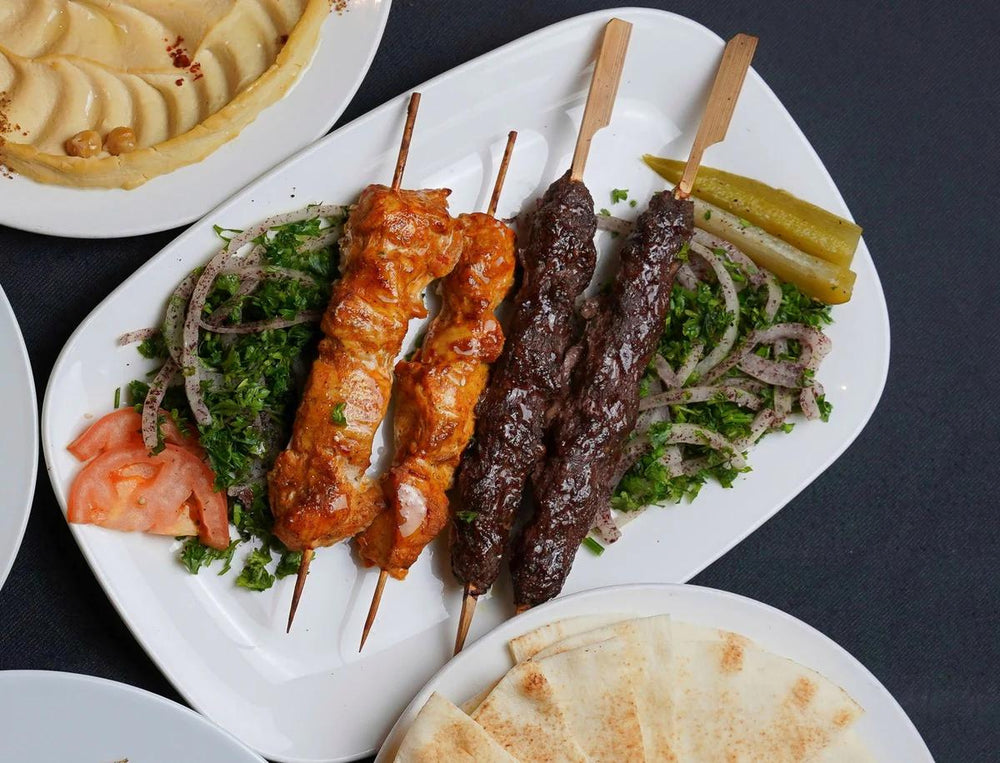
The Function of Syrian Food in Cultural Exchange
Syrian food serves as a vibrant medium for cultural exchange, showcasing the abundant tapestry of influences that have shaped the region over centuries. It symbolizes a blend of flavors and strategies drawn from different human beings, consisting of Footrest, Persian, and Mediterranean cultures. This cooking variety not just reflects Syria's historical profession paths but also illustrates the interconnectedness of communities across borders.Through food celebrations, food preparation classes, and shared meals, Syrian dishes such BBQ Halal Food as tabbouleh, kibbeh, and baklava have transcended their geographic origins, presenting their special preferences to a global target market - BBQ Halal Food. These cooking exchanges cultivate an appreciation for the artistry of Syrian food preparation, advertising dialogue and understanding amongst different societies. Additionally, the raising popularity of Syrian cuisine in global markets highlights its prospective to bridge cultural splits, enabling people to link through the global language of food. Inevitably, Syrian cuisine offers as an affirmation to the power of culinary heritage in promoting global unityPromoting Inclusivity Through Shared Syrian Dishes

Frequently Asked Concerns
What Are the Health Advantages of Syrian Food?

Just How Is Syrian Cuisine Adjusted for Vegetarian Diets?
Syrian cuisine adapts for vegan diet plans by integrating diverse active ingredients such as veggies, chickpeas, and lentils. Recipes like Mujadara and Fattoush showcase these aspects, offering savory and nourishing alternatives that cater to vegetarian choices.Exist Any Kind Of Common Irritants in Syrian Dishes?
Usual irritants in Syrian dishes consist of nuts, specifically yearn walnuts and nuts, dairy items such as yogurt and cheese, and gluten discovered in bread and some pastries. Understanding of these allergens is vital for restaurants with sensitivities.Just How Does Syrian Cuisine Contrast to Various Other Middle Eastern Cuisines?
Syrian cuisine, characterized by diverse components and abundant flavors, shares similarities with other Middle Eastern foods. Nonetheless, its distinct usage of seasonings, fresh herbs, and standard cooking techniques sets it apart, highlighting its distinct culinary identity.What Are Popular Syrian Beverages Served With Dishes?
Popular Syrian drinks offered with dishes consist of stimulating lemonade, solid Arabic coffee, pleasant mint tea, and yogurt-based beverages like ayran. These beverages enhance the abundant flavors of Syrian meals, enhancing the general eating experience. Syrian food stands as a substantial column within the domain name of Halal food. The attraction of Syrian food is deeply rooted in its abundant background, reflecting a tapestry of cultural impacts and culinary customs. Syrian cuisine, with its vivid meals and abundant tastes, offers as a bridge for social exchange, inviting individuals from various backgrounds to gather around the table (BBQ Halal Food). The health advantages of Syrian food consist of an abundant variety of vegetables, lean meats, and legumes, providing crucial nutrients. Syrian food, identified by varied components and rich tastes, shares resemblances with other Center Eastern cuisinesReport this wiki page